Germans Perceive Russia as Military Threat Amid Waning Support for Ukraine Aid
A recent 'The Berlin Pulse' survey reveals that while 82% of Germans view Russia as a threat, public opinion is split on military aid and geopolitical alliances.
 🇺🇦Ukraine
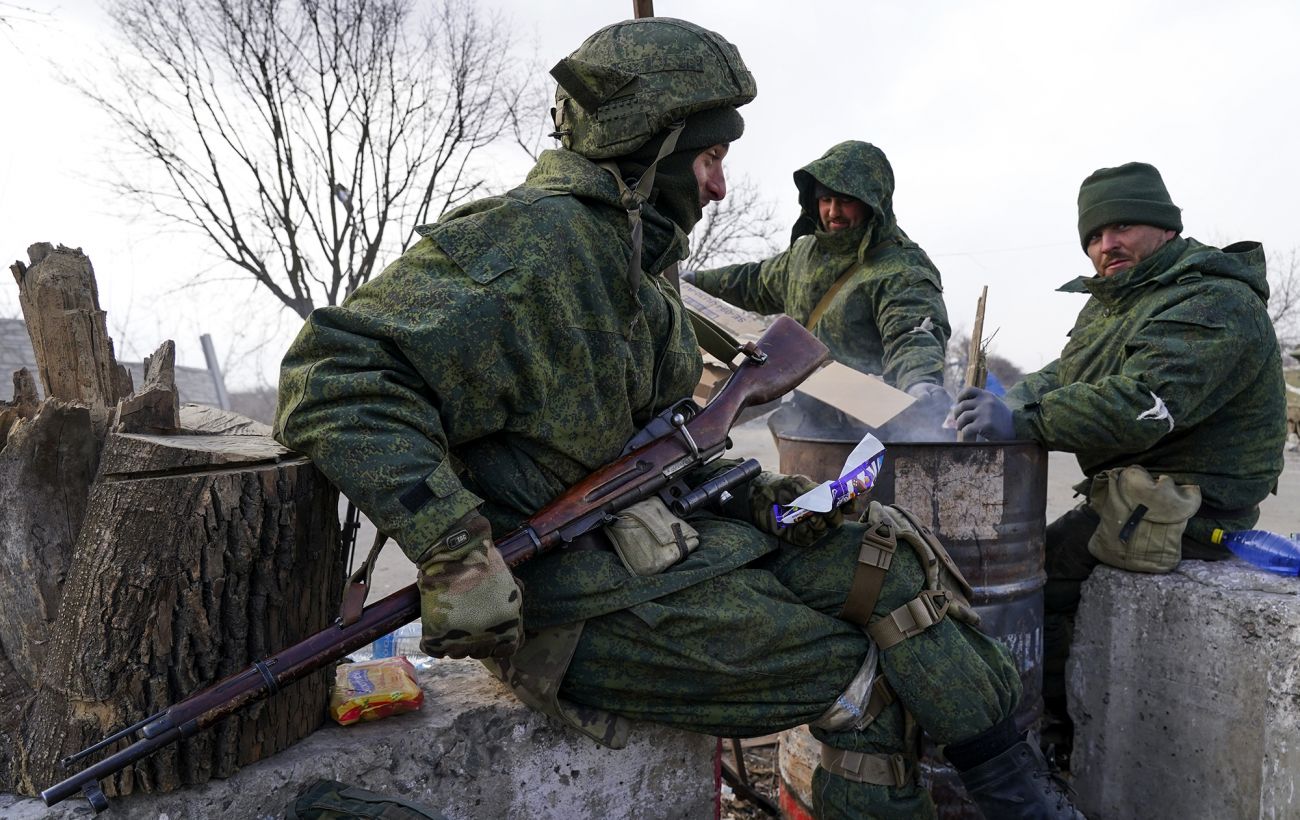
Photo: Ukrainska Pravda
Key points
- 82% of Germans see Russia as a military threat under Putin's rule
- 49% of respondents favor cutting or stopping aid to Ukraine
- 83% of Germans prefer neutrality in the US-China rivalry
According to the latest results of 'The Berlin Pulse' sociological study, a vast majority of German citizens perceive modern-day Russia as a direct military threat. The level of concern has reached 82%, reflecting profound shifts in the perception of European security. However, despite this awareness of danger, German society remains divided on the methods for countering hybrid threats and the continuation of military aid to Ukraine.
Responses to Hybrid Threats and Geopolitical Neutrality
The study revealed that only 51% of respondents approve of decisive actions by Berlin in response to hostile activities. A prime example of such a policy was the closure of the Russian consulate in Bonn following a drone incident at Leipzig Airport in early August. Conversely, nearly half of the respondents—46%—prefer a more restrained diplomatic approach. This indicates an ongoing internal debate regarding the limits of escalation in relations with Moscow.
Analysts also focused on the global rivalry between the United States and China. In this context, Germans show a high preference for neutrality: 83% believe Germany should not take sides. Only 15% are willing to support the United States in this confrontation. Experts attribute these sentiments to Donald Trump's policies and a general desire to avoid being drawn into great-power conflicts. This trend is particularly strong in eastern Germany, where 92% of citizens favor neutrality, compared to 81% in the west.
Shifting Sentiments on Military Aid to Ukraine
The most concerning signal for Ukraine is the declining support for arms supplies. A YouGov survey conducted as part of the study showed that 49% of Germans favor reducing or completely halting military aid to Ukraine. This suggests a certain level of public fatigue regarding the prolonged conflict and the economic challenges associated with supporting Kyiv.
Representatives from the Körber Foundation noted that these results reflect not only a fear of war but also a reluctance to take on long-term commitments. Florian Bigge described this as
'a desire for security, but also a reluctance to take on commitments'. For the residents of Stryi and the broader Ukrainian community, these findings serve as a critical indicator of potential shifts in the foreign policy of a key European partner.
Source Ukrainska Pravda — pravda.com.ua/news/2026/11/24/8064342/ ↗
Read next
 🛡️Security
Russian army losses in 2026 reach record high for the entire war
By late November 2026, the number of Russian military casualties surpassed the total for 2024, setting a new grim record for the invading forces.
 👥Society
Dasha Astafieva searches for her pet — a rescued jackdaw named Patrick
Ukrainian artist Dasha Astafieva has appealed to the public for help in finding her pet jackdaw, which went missing several days ago.
 💡Tech
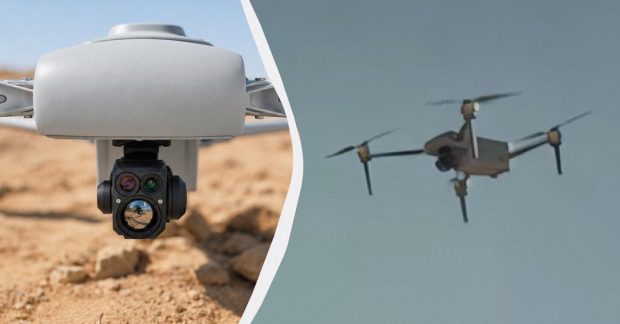
Israeli SeniX drone sets new communication range record without external antennas
Israeli company Aero Sentinel has unveiled the SeniX tactical drone, capable of covering 32 kilometers total without the need for bulky ground antennas.
 🎭Culture & Sport
Documentary about Ukrainian National Guardsmen wins Emmy Award
The film '24 Hours in the Kill Zone' has received a prestigious international award in the News category. The documentary highlights the heroism of National Guard soldier…
 👥Society
Ukrainian MFA strongly protests appointment of sanctioned Russian official to IAEA leadership
Foreign Minister Andrii Sybiha criticized plans to appoint sanctioned Russian official Oleksii Ferapontov as IAEA Deputy Director General.
 🏙️City
Kremlin Expresses Skepticism Over European Involvement in Peace Talks
Moscow questions the added value of European participation in negotiations regarding the war in Ukraine, while the date for future talks remains undetermined.