Microplastics in water found to be chemically active: new research
Research from Columbia and Berkeley universities reveals that microplastics can trigger chemical reactions that damage cells.
 💡Tech
Photo: TSN
Key points
- Microplastics generate reactive oxygen species
- Cell damage confirmed in laboratory tests
- Heating plastic increases the release of toxic particles
Microplastics, which infiltrate our environment, have proven to be significantly more dangerous than previously thought. Scientists from Columbia University and the University of California, Berkeley, have discovered that plastic particles do not merely accumulate in organisms but actively interact with water chemically.
The mechanism of chemical danger
When plastic comes into contact with water, reactive oxygen species (ROS) form on its surface. These compounds, including hydroxyl radicals, are capable of damaging proteins and cellular DNA structures. Polyethylene and polypropylene were found to be the most active in this process, while PET and acrylic showed lower reactivity.
Researchers emphasize that as plastic items break down into smaller fragments, their total surface area increases, which intensifies chemical reactions. Experiments on mouse red blood cells showed that contact with polystyrene leads to cell deformation and rupture.
Everyday habits, such as heating plastic containers or storing water bottles in direct sunlight, accelerate the breakdown of materials into smaller particles. While laboratory results are not direct proof of human disease, they highlight the need to re-evaluate safety standards for plastic use in daily life.
Source TSN — tsn.ua/zdorovya/mikroplastyk-vyiavyvsia-nebezpechnishym-niz-vvazaly-shc… ↗
Read next
 🛡️Security
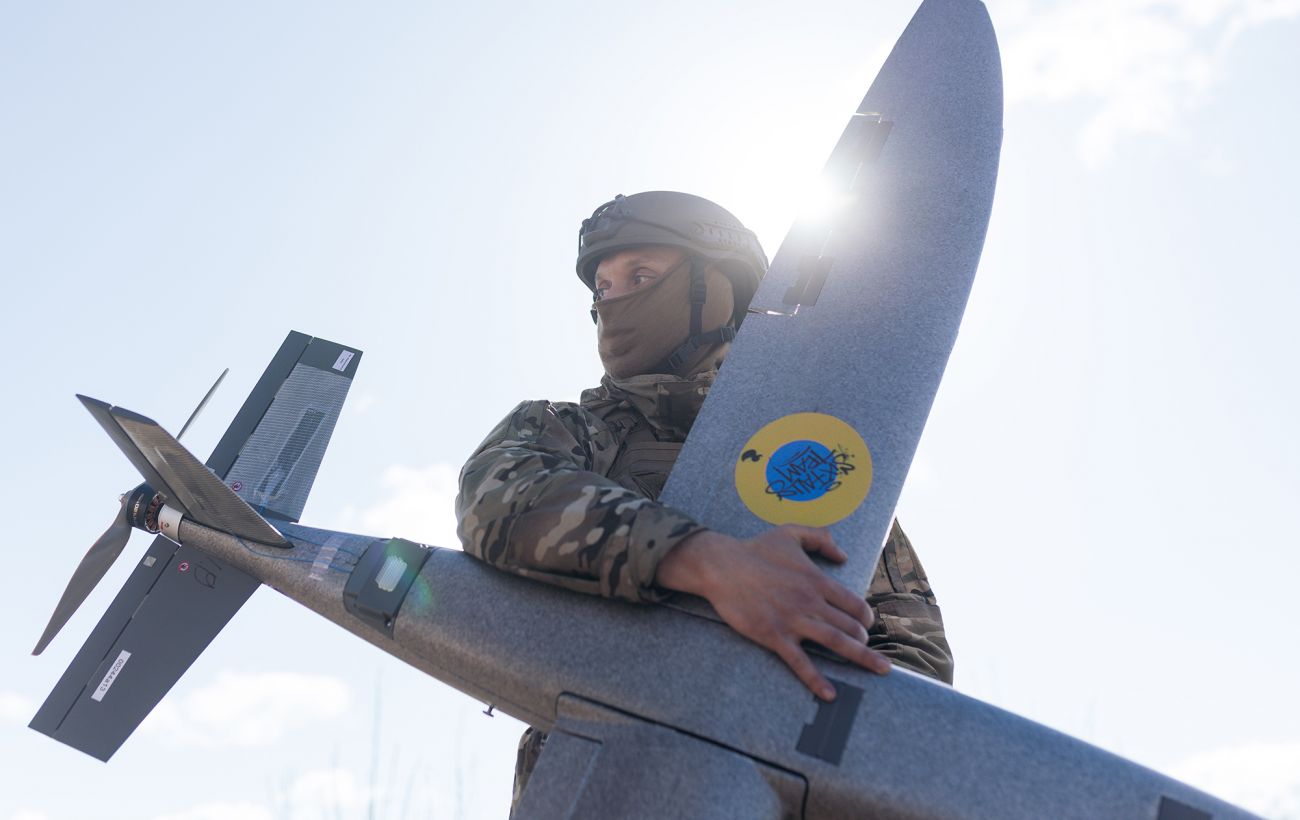
Explosions reported in Russian Baltiysk: potential attack on fleet base
Drone activity and air defense operations have been reported near the Russian Baltic Fleet's naval infrastructure in the Kaliningrad region.
 🛡️Security
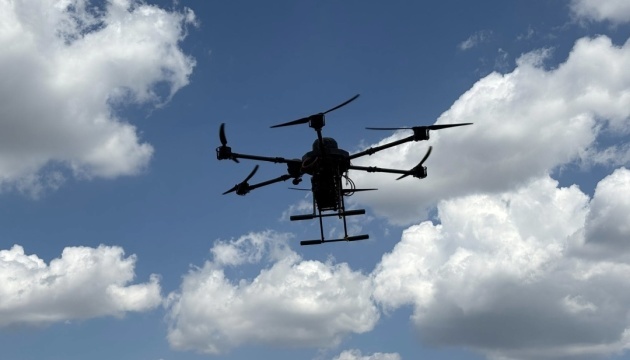
Restrictions imposed in Russia's Kaliningrad region due to drone threat
Khrabrovo Airport temporarily suspended operations, and sirens sounded in the region due to a suspicious object.
 🛡️Security
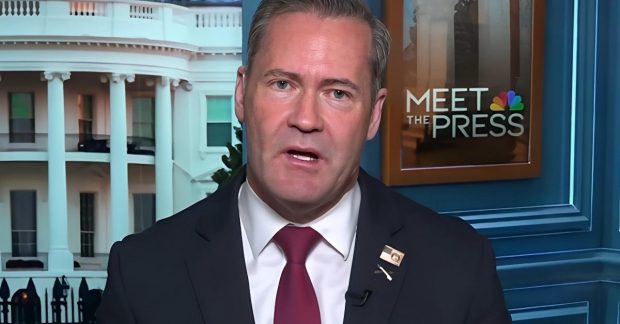
Russian frontline casualties nearing World War II levels, US Ambassador says
US Ambassador to the UN Mike Waltz stated that Russian military losses now exceed the number of new recruits being mobilized each month.
 🚨Events
Investigation into Rivne traffic accident concluded: driver to face trial for hitting pedestrian
Law enforcement officials have referred to court the case of a 51-year-old woman who struck a pedestrian in a residential area.
 🎭Culture & Sport
Psychology on the road: does car color really reflect a driver's personality?
Color experts have analyzed how the choice of car color can indicate the personal traits of its owner.
 🛡️Security
Crimean resident to stand trial for collaboration with Kherson occupation administration
The Prosecutor's Office has completed the investigation into a 48-year-old Crimean man who held senior positions in the occupation administration of the Kherson region.