Global Alliance of Autocracies: How Deepening Cooperation Between Russia, China, Iran, and North Korea Is Reshaping the World Order
The Economist analysts highlight the formation of an informal yet effective network of cooperation between authoritarian regimes, posing new challenges to Western security.
 🏛️Politics
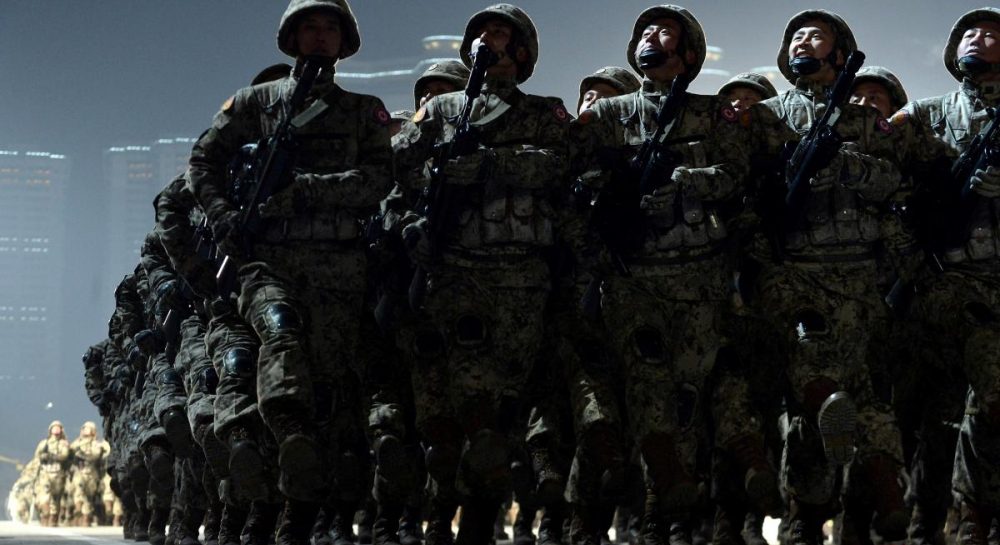
Photo: UNIAN
Key points
- Over 600 security cooperation cases between Russia, China, Iran, and North Korea in 6 years
- Technology and intelligence exchange as a tool for sanctions evasion
- Lack of a formal military alliance despite high levels of coordination
Authoritarian states—Russia, China, Iran, and North Korea—are moving toward closer coordination of their actions, significantly impacting the global balance of power. According to the FDD analytical center, over 600 instances of security cooperation between these countries were recorded between 2019 and 2025, with the intensity of interaction increasing significantly following the start of Russia's full-scale invasion of Ukraine.
Interaction Mechanisms and Alliance Limitations
Cooperation between these countries covers the exchange of military technologies, intelligence, and combat experience, as well as joint efforts to circumvent international sanctions. Although experts note that this is not a full-fledged NATO equivalent, as there is no unified command or mutual defense obligation between the participants, their synergy makes each regime more resilient to external pressure.
Internal contradictions also exist: for example, China's economic interests in Middle Eastern stability do not always align with Russia's pursuit of global instability. Nevertheless, joint opposition to Western democracies remains a key factor uniting these states.
Source UNIAN — unian.ua/world/rosiya-knr-iran-ta-pivnichna-koreya-stvorili-neforma… ↗
Read next
 🇺🇦Ukraine
Jared Kushner on Conditions for NATO-style Security Guarantees for Ukraine
Donald Trump's special envoy stated that the US could offer Ukraine security guarantees similar to NATO's Article 5, provided they are integrated into a stable European s…
 🩺Health
Why you shouldn't remove bones from canned sardines: nutritional advice
Experts explain that the small bones in canned sardines are a vital source of calcium, often lost when consumers opt for fillets.
 🛡️Security
Bundeswehr conducts first kamikaze drone tests during exercises in Lithuania
The German Armed Forces performed their first tactical tests of loitering munitions at a training ground in Lithuania as part of the Freedom Shield exercises.
 🛡️Security
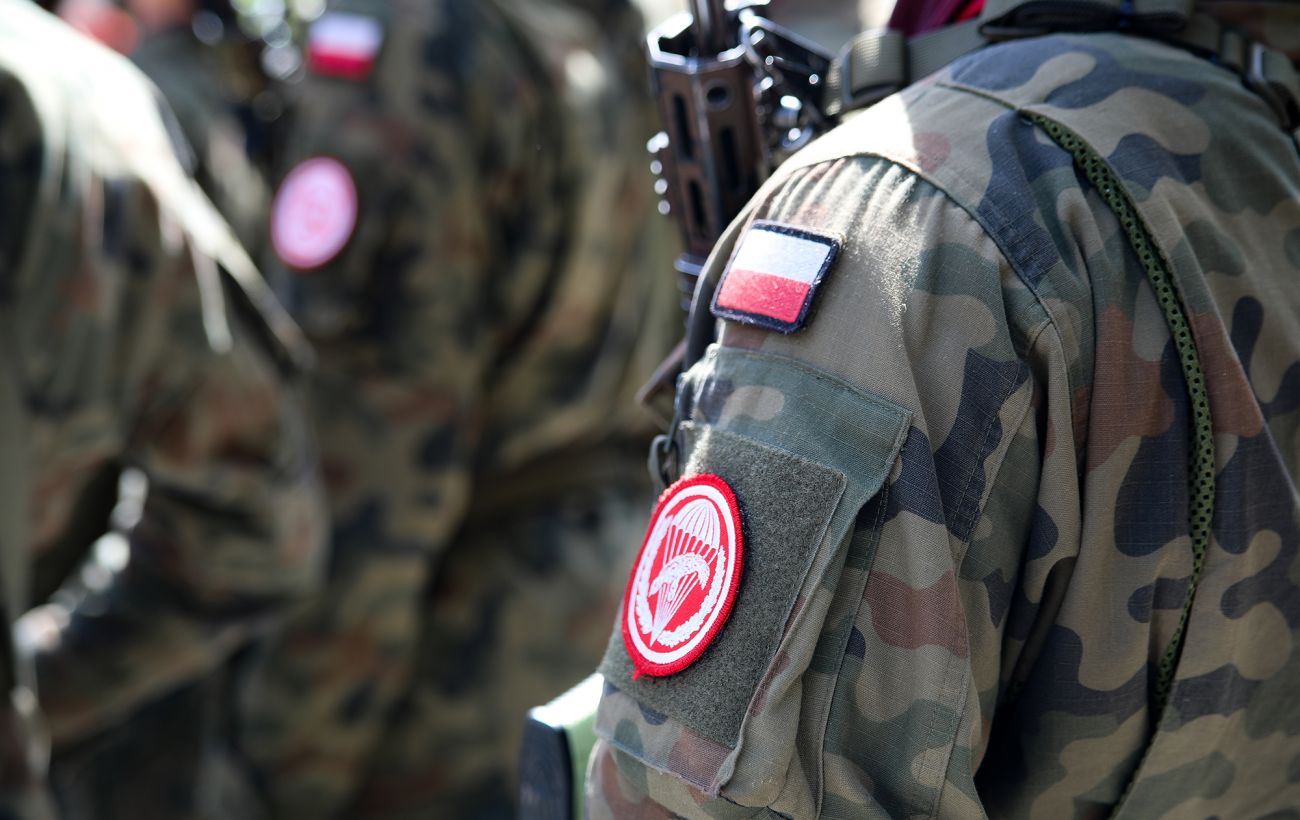
Polish investigators confirm three Russian Kh-101 missiles fell on their territory
Investigators have determined that three Russian cruise missiles, manufactured in late 2026, breached Polish airspace on November 20.
 🇺🇦Ukraine
AFU Eliminate Russian Salient in Kharkiv Region: Operation Details
Ukrainian defense forces conducted a successful counterattack in the north of the Kharkiv region, liberating 15 settlements and neutralizing the threat of encirclement.
 🛡️Security
Frontline update: 143 combat engagements reported in a day
The General Staff of the Armed Forces of Ukraine reports a tense situation on the frontline with over 140 combat engagements. The highest enemy activity is observed in th…