Giant seaweed belt in the Atlantic: scientists warn of environmental threat
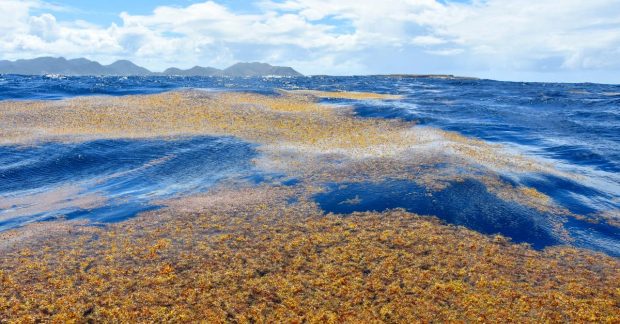
A belt of sargassum seaweed is rapidly expanding in the Atlantic, reaching a record length of 8,850 kilometers in 2025.
 🚨Events
Photo: UNIAN
Key points
- Sargassum belt reached a record length of 8,850 km.
- Excess nitrogen and phosphorus fuel algal growth.
- Decomposing seaweed releases toxic gases.
- Scientists call for improved international monitoring.
Scientists have documented an unprecedented increase in the area covered by pelagic sargassum in the Atlantic Ocean. While these brown algae were once a localized ecological curiosity, they now form a continuous belt stretching from the coast of West Africa to the Gulf of Mexico.
Causes and consequences of the algal bloom
Researchers attribute this rapid proliferation to excessive nitrogen and phosphorus runoff. These nutrients enter the ocean through both natural processes and human activity, such as agricultural runoff and wastewater discharge. The floods of the Amazon River play a significant role by saturating the water with elements that stimulate biomass growth.
The excessive amount of sargassum is turning from a vital habitat for marine life into a serious threat. When these massive amounts of seaweed wash ashore, they decompose, releasing toxic hydrogen sulfide and methane. This not only damages local ecosystems, including coral reefs, but also imposes a significant financial burden on coastal communities due to the need for large-scale beach cleanup operations.
Source UNIAN — unian.ua/ecology/sargasovi-vodorosti-v-atlantici-chomu-gigantskiy-p… ↗
Read next
 🛡️Security
Russian corvette 'Mercury' reportedly hit by Ukrainian drones in Libya
An explosion occurred on a Russian military vessel in Benghazi, which, according to Associated Press, may have been caused by an attack from Ukrainian maritime drones.
 🏛️Politics
Russia is testing NATO's defense algorithms through airspace violations, says Dmytro Kashchenko
Retired Ukrainian Colonel Dmytro Kashchenko claims Russia is using drone and missile incidents over NATO territory to evaluate the Alliance's reaction times.
 💡Tech
Scientists activate ancient bacteria from permafrost: climate change risks
American researchers have successfully revived microorganisms that had been frozen for approximately 40,000 years, discovering their ability to multiply rapidly.
 💼Economy
Unique Harvest: 350-Kilogram Pumpkin Grown in Cherkasy Region
A resident of the Cherkasy region grew a 350 kg giant pumpkin on his plot and gave it away to the community for free.
 🇺🇦Ukraine
US National Intelligence Director: Putin is not a friend of America regarding Ukraine
Director of National Intelligence Jay Clayton stated that Vladimir Putin is not a friend of the US, despite recent remarks made by Donald Trump.
 🇺🇦Ukraine
Tragedy in Dymer: Death Toll from Russian Attack Rises to Eight
Rescue teams are continuing to clear rubble in Dymer, Kyiv region, where eight people have died following an enemy attack.