Critical Limit: Why Russian Military Aviation Relies Solely on Soviet Reserves
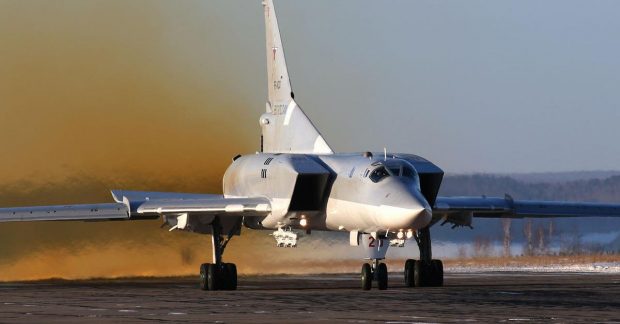
Russia's defense industry faces severe technological barriers preventing the resumption of full-scale production for strategic aircraft and engines.
 🎓Education
Photo: UNIAN
Key points
- Loss of technological capacity to produce strategic aircraft engines.
- Intensive combat use accelerates the structural wear of airframes.
- Sanctions prevent the development of advanced airborne radar systems.
Russia's modern strategic aviation heavily depends on aging Soviet-era reserves as the domestic defense sector struggles to revive the complex manufacturing cycles required for heavy military aircraft. According to defense industry analysts, the entire fleet of strategic bombers relies entirely on legacy stock and cannibalization of older airframes, as the unique metallurgical and machine-tool capabilities have been lost.
Engine Production Bottlenecks and Technological Gaps
A primary obstacle remains the production of specialized aircraft engines. The inability to replicate crucial turbine engines for strategic missile carriers leaves the industry incapable of manufacturing new units from scratch. Experts emphasize that intensive combat operations accelerate structural wear far beyond peaceful operational regulations, rapidly burning through the remaining lifespan of critical components.
Furthermore, disruptions at key repair facilities and Western technological restrictions have severely crippled logistics and modernization efforts, making it practically impossible to build advanced airborne radar systems without access to foreign microelectronics.
The Mathematics of Fleet Attrition
With only a limited number of operational strategic bombers remaining, the Russian command is forced to preserve its airframes, directly constraining the scale and frequency of simultaneous missile strikes. While a rapid halt to aerial operations is unlikely, the ongoing attrition of the fleet points to long-term degradation of strategic capabilities.
The systematic depletion of resources highlights structural weaknesses within the adversary's military-industrial base, demonstrating the cumulative impact of industrial limitations and strategic pressure over time.
Source UNIAN — unian.ua/weapons/rosiya-maye-obmezheni-mozhlivosti-vidnovlyuvati-st… ↗
Read next
 🧠AI Analysis
Currency Market Dynamics: How US Dollar and Euro Rates Changed in Ukrainian Banks
As of November 23, Ukrainian financial institutions recorded a decrease in average foreign currency exchange rates, while exchange offices saw a slight increase in the US…
 🧠AI Analysis
Armenia presents new constitution draft to secure peace with Azerbaijan
Armenian Prime Minister Nikol Pashinyan has unveiled a draft of the country's new constitution, linking its adoption to achieving a lasting peace agreement with Azerbaija…
 🛡️Security
Consequences of Mass Airstrikes on Kharkiv Region: Casualties and Damage Reported
Over the past day, Kharkiv and 20 settlements in the region came under enemy shelling, injuring 17 civilians, including three children.
 🩺Health
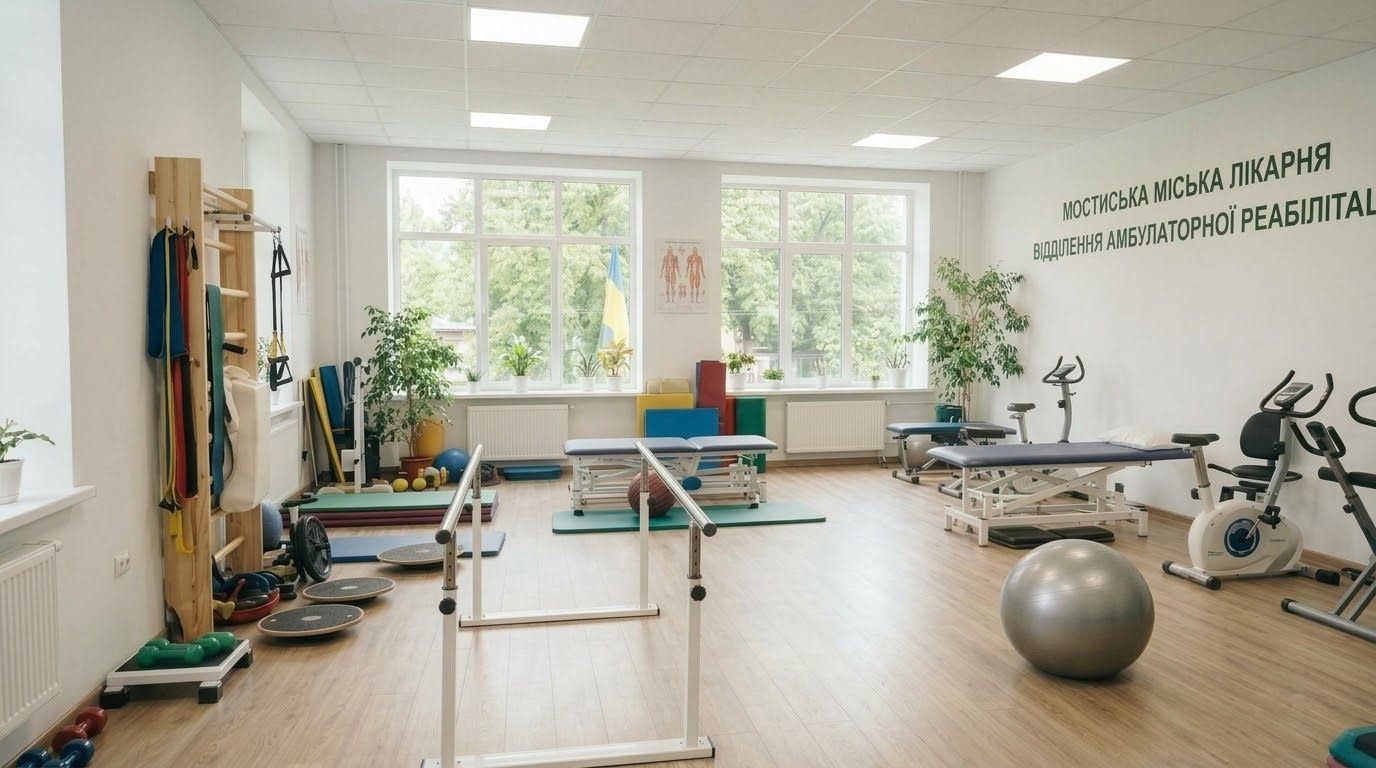
Free Outpatient Rehabilitation Launched at Mostyska Hospital: Access and Requirements
Mostyska Hospital has introduced a free rehabilitation program for post-trauma and post-op recovery under the NHSU medical guarantees.
Exemptions from Tourist Tax in Stryi Community: Clarification by Tax Authorities
The Tax Service of Lviv Region outlined the categories of citizens exempt from paying the local tourist tax in hotels and accommodations, including IDPs, business travele…
 🛡️Security
Aftermath of the Dymer attack: rescuers find the ninth victim and save an elderly woman
A search and rescue operation is underway in the village of Dymer, Kyiv region, following a Russian strike that left nine people dead.